






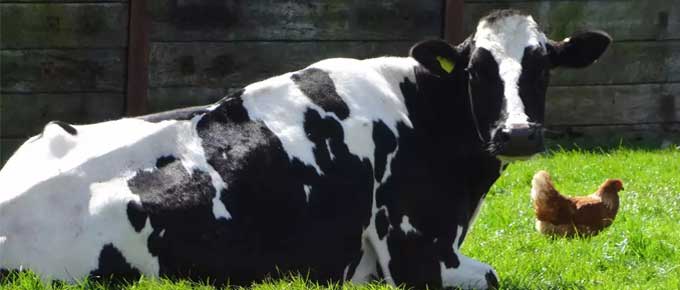
A startling incident in the United States has sent shockwaves through the scientific and health communities. In March 2024, a cow on a dairy farm in Texas tested positive for bird flu. Even more alarming, a worker on the same farm was subsequently infected with the same virus.
This marked the first instance of bird flu transmitting from a mammal to a human. The discovery has prompted scientists to ponder whether bird flu is evolving into a more significant threat to humans.
Similar Cases Emerge in Michigan
A few months later, a similar pattern unfolded on two separate dairy farms in Michigan, located about a thousand miles away. Cows on both farms contracted bird flu, and in each case, a worker also became infected. The H5N1 virus, typically found in birds, was identified as the culprit in all these cases.
Why is this concerning?
This development is alarming for several reasons:
- New Infection Pathway: Previously, bird flu was believed to primarily spread directly from birds to humans. The recent cases demonstrate that the virus can also transmit through intermediary animals like cows.
- Widespread Outbreak: The increasing number of dairy farms affected by bird flu across multiple US states suggests rapid viral spread.
- Pandemic Risk: While there’s no evidence of a widespread human pandemic yet, scientists cannot dismiss the possibility.
What to Do?
- Exercise Caution: Individuals working on dairy farms or residing in areas with bird flu outbreaks should take precautions.
- Seek Medical Attention: Anyone experiencing bird flu symptoms should promptly consult a doctor or health department.
- Intensified Research: Scientists are actively investigating the virus to gain a deeper understanding and develop effective vaccines and treatments.
Conclusion
The transmission of bird flu from cows to humans presents a new challenge. Researchers must continue studying the virus’s behavior to protect human health.